
Does Medicare Cover a Wheelchair Ramp for My House?
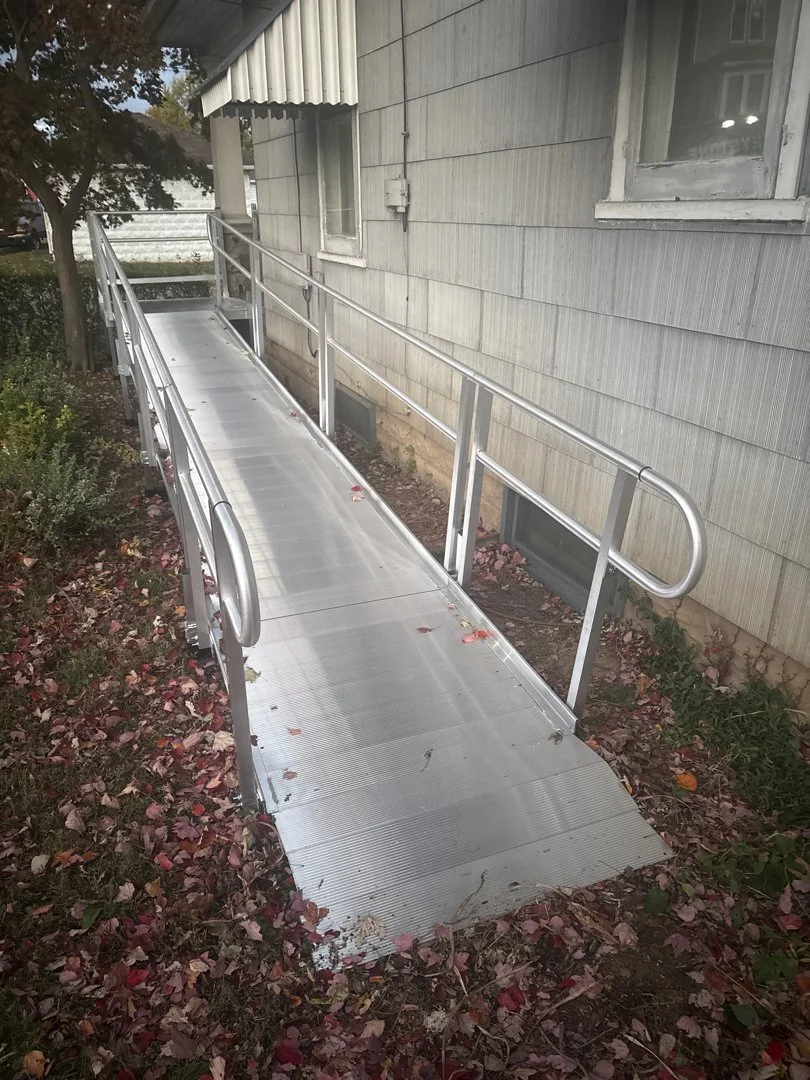
Short answer: Original Medicare (Parts A and B) usually will not pay for a wheelchair ramp, because it treats a ramp as a home modification rather than durable medical equipment. But that is not the end of the story. A Medicare Advantage plan, Pennsylvania Medical Assistance (Medicaid), a VA grant, or a local nonprofit can often cover some or all of the cost. Here is the honest, plain-English breakdown of who actually pays.
Why Original Medicare Says No
Medicare covers a lot of mobility equipment. Wheelchairs, walkers, and hospital beds all fall under durable medical equipment, so Medicare Part B typically picks up its share. A ramp is different. Because a ramp is attached to your home and improves the house itself, Medicare files it under "home modifications," which are excluded from standard coverage.
So if you call Medicare and ask, "will you buy me a ramp," the answer is almost always no. Worth knowing up front, so you do not lose weeks waiting on an approval that is not coming. The good news is there are three or four other doors, and at least one of them is open for most families.
Medicare Advantage (Part C) Is a Different Animal
Here is where it gets more hopeful. Since 2018, private Medicare Advantage plans have been allowed to offer "supplemental benefits" that Original Medicare does not, and that list can include home safety items like grab bars, bathroom modifications, and yes, wheelchair ramps.
Whether your plan covers a ramp depends entirely on the plan. Some do, many do not, and the ones that do often require the ramp to be tied to a health condition or a recent hospital stay. It is worth a five-minute call to the member services number on the back of your card. Ask directly: "Does my plan include a home safety or accessibility benefit, and does that cover a wheelchair ramp?" Get the answer in writing if you can.
Pennsylvania Medicaid Often Covers Ramps (This Is the Big One)
If you or your loved one is on Pennsylvania Medical Assistance (the state's Medicaid program), pay close attention, because Pennsylvania is more generous here than a lot of national articles let on.
Pennsylvania updated its Medical Assistance rules so that removable medical equipment for people with mobility challenges is now covered. That specifically includes metal accessibility ramps, wheelchair lifts, stair glides, and ceiling lifts, and the coverage includes installation. This has been in effect (retroactively) since April 1, 2020, so if a family was told "no" before and paid out of pocket, it can be worth revisiting.
There is one key requirement: you need an updated letter of medical necessity from your physician. That letter is what turns a "home improvement" into covered medical equipment in the state's eyes. Two things to keep in mind:
Removable equipment is the sweet spot. Pennsylvania covers ramps that can be installed without damaging the home, which is exactly what a modular aluminum ramp is.
Pure structural work is treated differently. New electrical, concrete demolition, or permanent framing generally are not covered as equipment and may need an HCBS waiver instead.
Families we work with in Juniata County, including around Port Royal, and up in Union County near New Berlin have used this Medicaid pathway to get a ramp covered when they assumed they would have to pay the whole thing themselves. If you are not sure which program applies, the Pennsylvania Health Law Project runs a free helpline, and we are happy to prepare the paperwork on our end.
For Maryland Families
Maryland runs its own Medicaid and HCBS waiver programs, and several can cover accessibility items and home modifications when there is documented medical need. The specifics differ from Pennsylvania, but the move is the same: ask your caseworker whether your waiver includes environmental modifications or accessibility equipment, and get a letter of medical necessity from your doctor.
Veterans: Don't Overlook Your VA Benefits
If you served, the VA has real money set aside for exactly this. The main one for a ramp is the HISA grant (Home Improvements and Structural Alterations). For a service-connected condition it can provide up to $6,800, and for a non-service-connected condition up to $2,000, with a prescription from a VA physician. For veterans with more significant service-connected disabilities, the larger SAH and SHA housing grants can also apply and can be combined with HISA. If you are a veteran anywhere in our service area, please raise it during your consultation. We would rather help you tap a benefit you earned than watch you pay out of pocket.
One quick note: standard homeowners insurance almost never covers a ramp, since a ramp is not sudden accidental damage. No harm in asking, but do not count on it.
Where Keystone Fits In
Here is why the funding conversation and the product conversation are really the same conversation. Pennsylvania covers removable ramps as medical equipment, and the modular aluminum ramps we install (EZ-ACCESS systems) are removable by design. They bolt together without tearing up your porch, they carry a guaranteed ADA-compliant slope with built-in landings, they will not rot or rust for 20-plus years, and they can be taken down and reused later. That "removable, reusable" nature is exactly what makes them easier to get approved than a poured-concrete or custom-wood ramp.
Just as important, many families miss out on funding simply because the paperwork feels overwhelming. We help with that, providing the itemized documentation, measurements, and product details your physician, plan, or the VA needs to process a claim.
We will also give you a straight answer on cost. We never bury pricing, and while every ramp is quoted to your exact entrance, a modular ramp is typically far more affordable than most people fear. If you want to understand sizing first, our guide on How Long of a Wheelchair Ramp Do I Need? walks through the ADA slope math, and covers why aluminum tends to win.
Frequently Asked Questions
Does Medicare pay for a wheelchair ramp?
Original Medicare (Parts A and B) generally does not, because it classifies a ramp as a home modification. A Medicare Advantage (Part C) plan may cover one as a supplemental benefit, so check with your specific plan.
Will Pennsylvania Medicaid cover a wheelchair ramp?
Often, yes. Pennsylvania Medical Assistance covers removable metal accessibility ramps, wheelchair lifts, and stair glides as medical equipment, including installation, when you have an updated letter of medical necessity from your physician.
How much will the VA give me toward a ramp?
The HISA grant provides up to $6,800 for a service-connected condition or up to $2,000 for a non-service-connected one, with a VA physician's prescription. Larger SAH and SHA grants may apply for qualifying veterans.
What if I don't qualify for any of these?
There are still options. Local Area Agencies on Aging, nonprofits like Rebuilding Together, and state assistive-technology programs sometimes help, and a modular ramp can be rented instead of purchased if the need is temporary. We will walk you through what fits.
Get a Free Consultation
Every situation is different, and funding is rarely one-size-fits-all. That is why we start with a free, no-pressure consultation. We will measure your entrance, recommend the right ramp, give you honest pricing, and help you figure out which coverage path (Medicaid, Medicare Advantage, VA, or a grant) you can actually use. We proudly serve families throughout Pennsylvania and Maryland, from Middleburg and Port Royal to Burnham and New Berlin.
Call Keystone Accessibility at (717) 219-7976 or reach out through keystoneaccessibility.com to book your free consultation. Let's get you a safe way in and out of your own home, and let's get it paid for the smart way.
