
Are Stairlifts Safe? What Every Family Should Know Before Buying
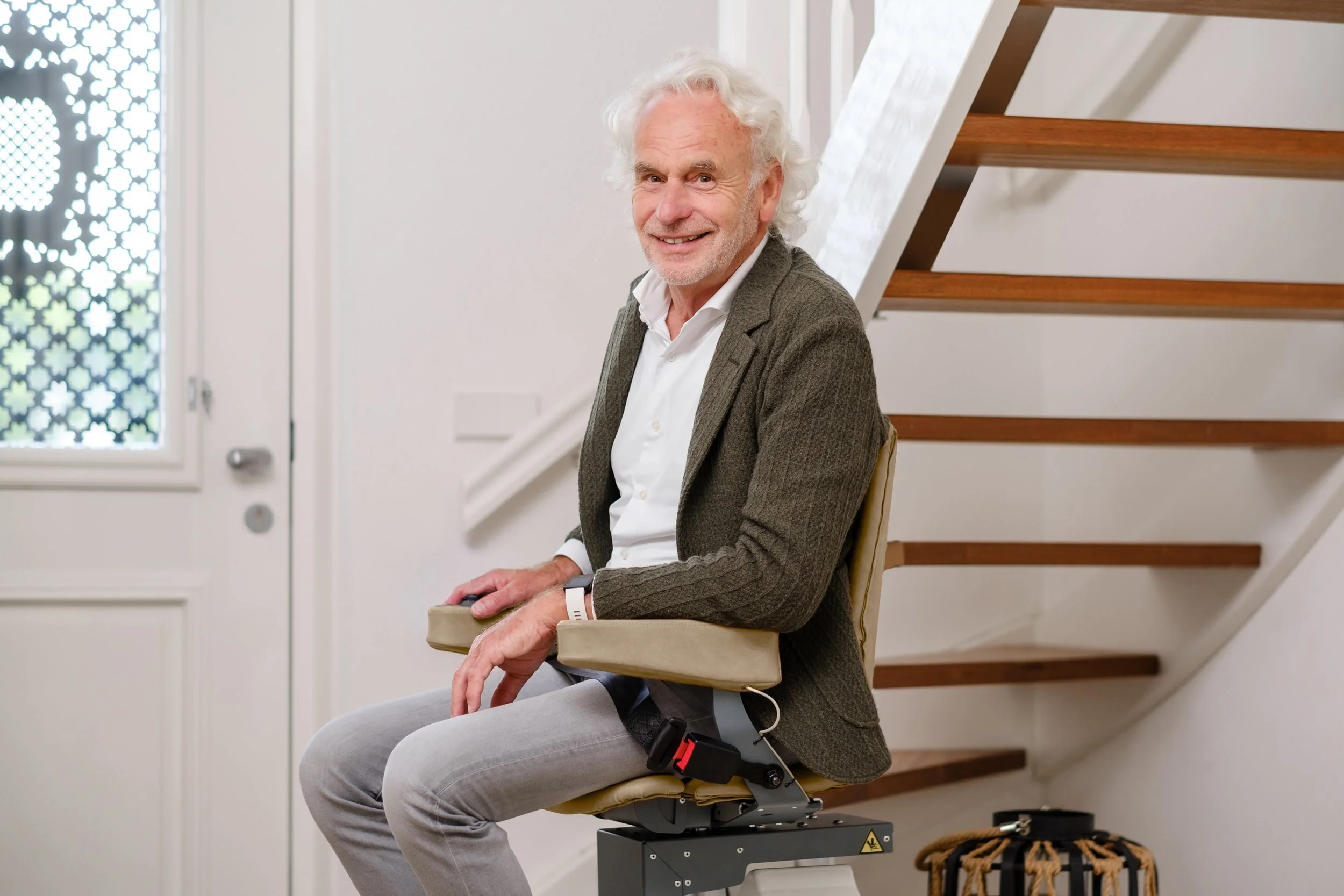
When someone in your family starts struggling on the stairs, safety is what keeps you up at night. And when someone mentions a stairlift, it's completely natural to think: But is that thing actually safe?
The short answer is yes. Modern stairlifts are very safe. But I know that's not enough to put your mind at ease, so let me walk you through exactly how they work, what protections are built in, and the situations where a stairlift might not be the best fit.
The Bigger Danger Is the Stairs Themselves
Before we get into stairlift safety, we should talk about what you're really dealing with. Falls are the number one cause of injury for adults over 65, according to the National Institute on Aging. And stairs are one of the most dangerous spots in the house.
Think about it. Reduced balance, arthritis, weak legs, vision problems, medications that cause dizziness. All of those things make every trip up or down the staircase a risk. A stairlift takes that risk off the table. Your loved one sits down, buckles in, and rides smoothly to the next floor. No climbing. No gripping the railing and hoping for the best.
What Safety Features Come Built In?
Quality stairlifts come loaded with safety protections. Not as optional add-ons, but as standard equipment.
Every stairlift has a seatbelt. It works just like the one in your car. Simple to fasten, and it keeps the rider secure for the whole ride.
There are obstruction sensors along the base of the footrest and carriage. If a shoe, a pet, a toy, or anything else is sitting on the stairs in the lift's path, it detects the object and stops automatically. I've seen cats trigger these more times than I can count.
The swivel seat is one people don't think about until they see it in action. At the top landing, the seat locks into a turned position so the rider gets off facing the landing, not the open staircase. That alone prevents a lot of potential missteps.
Constant-pressure controls mean the lift only moves while the rider is holding the button or toggle. The moment they let go, it stops. There's no "set it and forget it" mode where the chair takes off on its own.
The soft start and stop feature keeps things smooth. No sudden jolts when it starts moving or reaches the end of the track.
And most models come with a locking key switch, which lets you disable the whole unit. Really handy when the grandkids come over and want to "go for a ride."
Will Someone Get Stranded on the Stairs?
This is the number one fear we hear from families. And for good reason. But modern stairlifts actually run on rechargeable batteries, not direct household power. The outlet the stairlift plugs into just keeps those batteries topped off.
So when the power goes out, the stairlift keeps working. A fully charged unit can typically make several complete trips without any electricity from your home. We go into a lot more detail on this in our post about [stairlifts and power outages].
What About Someone with Dementia?
This is a question that deserves an honest answer, because the answer isn't always yes.
Using a stairlift requires a person to sit down, fasten the seatbelt, hold the control, and stay seated until the ride is over. For someone dealing with mild cognitive changes, that's usually fine, especially after they've practiced it a few times.
But for someone with more advanced dementia who might try to stand up during the ride or forget how the controls work, a stairlift may not be safe. In those cases, it's worth looking at other options like moving the bedroom to the first floor or installing a residential elevator. A good accessibility professional (including us) will be upfront with you about what makes sense and what doesn't.
The Alzheimer's Association home safety checklist is a great resource for families thinking through safety modifications for someone with cognitive decline.
Installation Quality Matters More Than You Think
A stairlift is only as safe as the installation behind it. When the rail is properly anchored to the stair treads, the alignment is precise, and every sensor and safety feature has been tested, you've got a rock-solid setup.
When the installation is rushed or done by someone without training? That's when problems happen.
At Keystone Accessibility, every installation is done by our own trained technicians. We test everything before we leave, and we don't consider the job finished until you're comfortable operating the lift on your own. We'll sit there and watch you do it a few times if that's what it takes.
It Changes Things for the Whole Family
A stairlift doesn't just make life safer for the person riding it. It changes things for the whole family. No more lying in bed wondering if Mom made it up the stairs okay. No more rushing over because Dad sounded unsteady on the phone. Just the quiet confidence that the stairs aren't a hazard anymore.
Want to learn more? Call Keystone Accessibility at (717) 219-7976 or visit keystoneaccessibility.com for a free safety assessment.
